





Filter
Whether it’s a fleece jacket, sportswear, or a disposable water bottle – they all contain polyester. What exactly is it? “Poly,” from Greek, means many. Polyesters are therefore multiple esters. The group of esters includes substances that are different, yet always structured according to the same principle. The term polyester encompasses a broad group of plastics. Everyone is certainly familiar with one type of polyester – polyethylene terephthalate, better known as PET.
Recycling polyester
PET is the plastic used forbeverage bottles, which are loyal companions for most of us. Thanks to PET, they are lightweight and relatively airtight, preventing carbon dioxide gas from escaping and dissipating. Furthermore, PET bottles can be recycled. To do this, the bottles are shredded, the product is cleaned, melted, and converted back into PET granulate. However, the separate collection of PET bottles is a challenge. In Germany, about 94% of PET was recycled in 2013. One-third of the new products are new PET bottles; the textile fiber industry utilizes about 29% of the recycled granulate.
Polyester fibers absorb less water
Thin fibers made from PET are suitable for sportswear and functional clothing, for example. Fabrics made from polyester fibers absorb less water than those made from cotton. The industry uses somewhat thicker fibers for zippers. 27% of the processed PET goes into the production of tear-resistant films such as food packaging or emergency blankets. The industry produces these by processing melted PET on rollers and stretching it in the process. This creates a product that is tear-resistant. In addition, it can be coated with aluminum, for example. Emergency blankets produced in this way are very thin at about 15 micrometers – it takes 67 layers to make a single millimeter.
Polyester also in nature
Besides PET, there are other polyesters. It also occurs in nature: ground bees produce polyester and use it to line their nests. Unsaturated polyester resins, for example, are contained in components for motor vehicles and pleasure boats. Here, the polyester is usually reinforced with fibers such as glass. One example of synthetic but biodegradable polyesters are polylactides. They are often mixed with other raw bioplastics ("PLA blends"), which we find, for example, in films or cosmetic packaging.
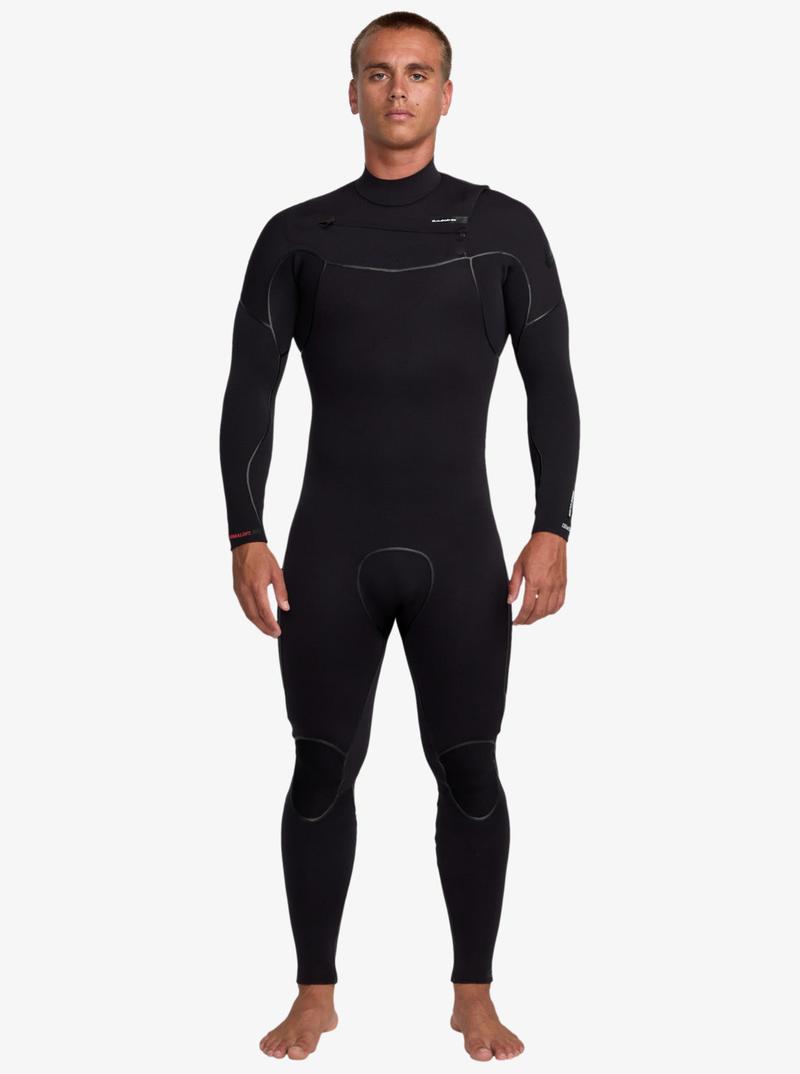
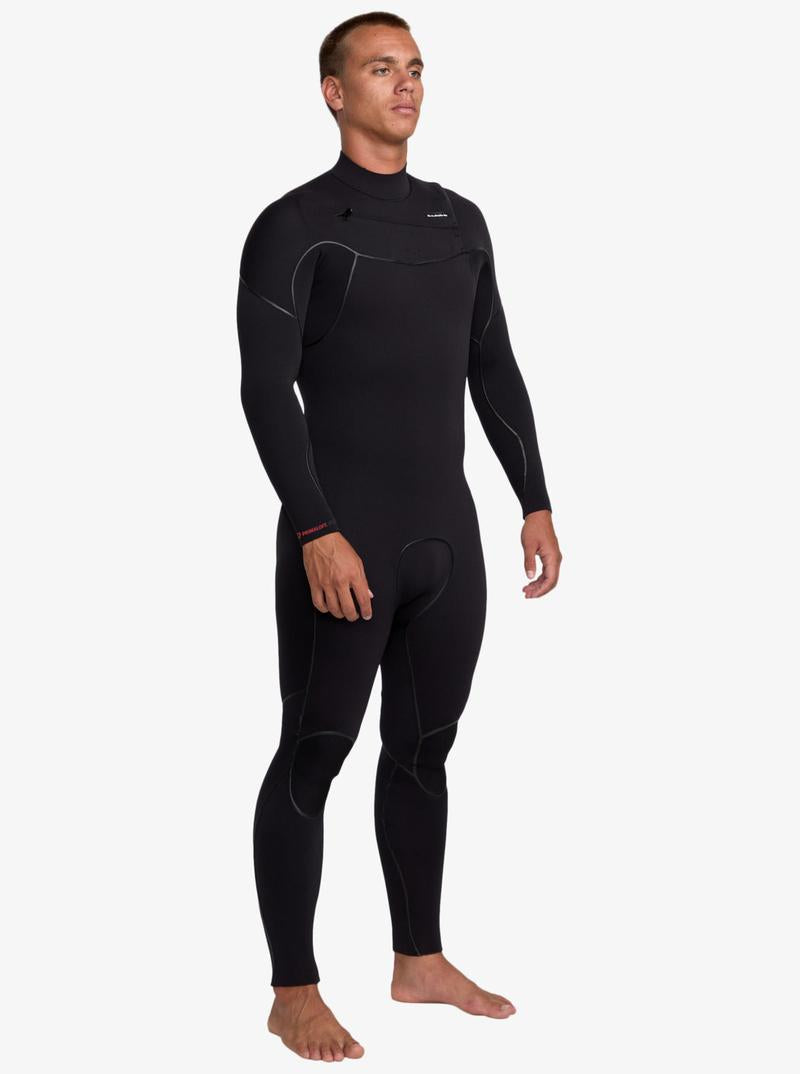


Polyester resin surfboards are durable, affordable, and widely used. The proven material for beginners and advanced surfers alike.