


Firewire Surfboards wurde 2005 von Nev Hyman und Bert Burger in San Diego gegründet – mit einem klaren technologischen Auftrag: die Surfboard-Konstruktion zu revolutionieren. Traditionelle Polyurethan-Schaum-Boards mit Polyester-Laminat sind seit den 1960er Jahren im Wesentlichen unverändert. Hyman und Burger setzten auf Epoxid-Harz und alternative Kernsysteme, um Boards zu bauen, die leichter, stärker und langlebiger sind als konventionelle PU-Boards. Der Firewire LFT (Linear Flex Technology) und später der Helium-Kern wurden zu Grundpfeilern des Firewire-Ansatzes.
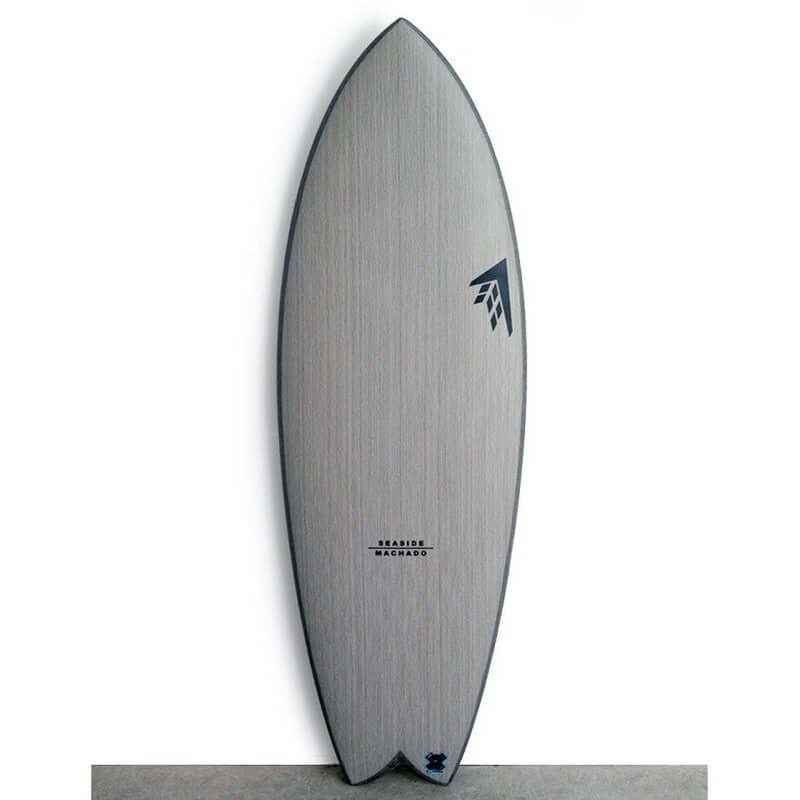
Firewire arbeitet eng mit renommierten Shapern zusammen: Dan Mann, Tomo, Rob Machado und Kelly Slater haben alle Modelle für Firewire entwickelt. Besonders die Zusammenarbeit mit Slater führte 2007 zur Gründung von Slater Designs – einer Sub-Brand innerhalb des Firewire-Ökosystems, die einige der innovativsten Board-Shapes der letzten Jahre produziert hat. Shapes wie der Omnia, der Cymatic und der Banana Splitskull wären ohne Firewirees Technologie nicht möglich. Das Sortiment umfasst Performance-Shortboards, Fish-Shapes, Mid-Lengths und Longboards – alle in der charakteristischen Firewire-Konstruktionsweise.
Firewire ist zudem stark im Bereich Nachhaltigkeit: TimberTek, eine Konstruktion mit Paulownia-Holz-Deck, reduziert den Einsatz von synthetischen Schäumen erheblich. Für Surfer, die bewusst über die Ökobilanz ihrer Boards nachdenken, ist Firewire eine überzeugende Option.
Bei Surfari findest du Firewire Surfboards – für Surfer, die beim Board keine Kompromisse machen wollen.
Firewire Surfboards: The sustainable performance surfboard
Behind the famous Firewire Surfboards stands: The Australian shaper Nev Hyman! What makes him so special? He deserves the title of the most famous manufacturer of epoxy surfboards in the world. Nev founded Odyssey Surfboards in Perth around 1975 and after some travel and 6 years later changed his name to Nev Surfboards. Since then, Hyman began designing blanks for some of the best surfers in the world. By 1998 Hyman and his crew were shaping up to 5000 surfboards a year before Hyman started computer shaping in 1989. Because computer shaping was not universally accepted at the time, Hyman went in search of the "Holy Grail" of machine-formed surfboards. Around 2004, Hyman met Bert Berger and became acquainted with his high-tech handcrafted surfboard. When the first surfboards appeared in the line-up in 2006, nothing stood in the way of the success of the boards, which were completely created using CAD/CAM software.
The Firewire Surfboards philosophy
Although the production of sustainable surfboards is almost impossible, Firewire tries to impact the environment as little as possible. And the company achieves this, for example, with the production of EPS foam blocks, which are made from EPS foam dust waste. So the surfboard waste does not end up in the landfill, but as paving stones on the surf ranch. As such, their commitment to sustainability extends beyond the materials they source and the boards they make. But it starts with a simple goal: They want to make sure that the best-performing surfboards also leave the smallest possible ecological footprint.